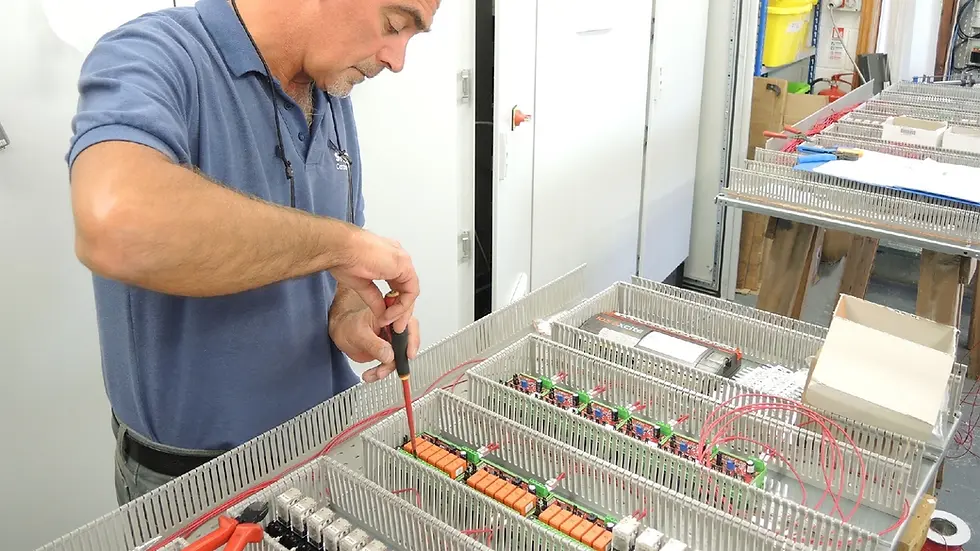
What a Good Automation Partner Actually Delivers
Not all automation partners deliver the same value.

On paper, many system integrators look similar, they offer PLC programming, control panel builds, and SCADA systems.
In reality, the difference is significant.
A strong automation partner does not just deliver engineering, they reduce risk,
improve clarity, and ensure your project runs predictably from start to finish.
Automation Partner vs Typical System Integrator
Area | Typical Integrator | Strong Automation Partner |
Scope Definition | Vague or evolving | Clearly defined from day one |
Pricing | Reactive, change-driven | Transparent and predictable |
Engineering Approach | Project-specific, inconsistent | Standardised and repeatable |
Communication | Ad hoc updates | Structured, proactive reporting |
Delivery | Milestone risk | Controlled, predictable execution |
Long-Term Value | Short-term delivery | Designed for maintainability and upgrades |
This is where projects either stay in control, or start to drift.
Clarity from the Start
A reliable automation partner removes ambiguity before work begins.
You should expect:
Transparent pricing structure
Clear timelines and deliverables
Without this, projects quickly become reactive, leading to scope creep, delays, and cost overruns.
Consistency in Engineering
Consistency is what separates scalable systems from fragile ones.
A strong partner delivers:
Structured PLC and SCADA code
Repeatable engineering methodologies
This ensures systems are easier to maintain, expand, and troubleshoot.
Clear, Structured Communication
Poor communication is one of the most common causes of project failure.
You should see:
Regular, structured progress updates
Alignment with internal stakeholders
Early identification of risks
This keeps projects predictable and prevents last-minute surprises.
Delivery That Stays on Track
Execution is where many projects fall apart.
A strong automation partner focuses on:
Hitting defined milestones
Supporting commissioning on-site
Owning problems rather than deflecting them
This is critical for maintaining timelines and avoiding disruption to operations.
Long-Term Thinking, Not Short-Term Fixes
Automation systems should not create future problems.
A reliable partner ensures:
Systems are maintainable long-term
Documentation is clear and usable
Designs support future upgrades and expansion
How Stratos Helps You Stay in Control
At Stratos Control Systems, we work specifically with Project Managers who need clarity, control, and predictable delivery.
We help you:
Define scope properly from day one
Deliver projects without unexpected delays
Reduce downtime risk during implementation
Build systems that remain reliable long after handover
We do not just deliver systems.
We help you deliver successful projects.
When to Bring an Automation Partner In
Timing has a direct impact on project success.
You should engage early when:
Scoping a PLC upgrade or system change
Inheriting a poorly defined project
A current integrator is underperforming
Standardisation across multiple sites is required
Downtime risk must be tightly controlled
The Outcome You Actually Want
A well-delivered automation project should result in:
No unexpected costs
No last-minute delays
No production disruption
No unclear or messy handover
No long-term maintenance issues
That is what controlled, structured delivery looks like.
FAQ's for Proper Automation Partner Delivery
What does a good automation partner actually do?
A good automation partner defines scope clearly, delivers consistent engineering, communicates proactively, and ensures systems are reliable long-term. Their role is not just technical delivery, but reducing project risk and ensuring predictable outcomes.
How do you choose the right system integrator?
Choose an integrator that demonstrates structured processes, standardisation, clear communication, and proven delivery. Avoid those who rely on ad hoc engineering or unclear scope definitions.
Why do automation projects fail?
Automation projects typically fail due to poor scope definition, inconsistent engineering, lack of communication, and weak delivery control. These issues lead to delays, cost overruns, and unreliable systems.
When should you involve an automation partner?
An automation partner should be involved at the scoping stage of a project. Early involvement ensures clarity, reduces risk, and prevents costly redesigns or delays later in the project lifecycle.
Talk to an Automation Specialist
If you are planning a project, or trying to regain control of one, getting the right partner involved early makes a measurable difference.