Frustration With Temporary Fixes Becoming Permanent
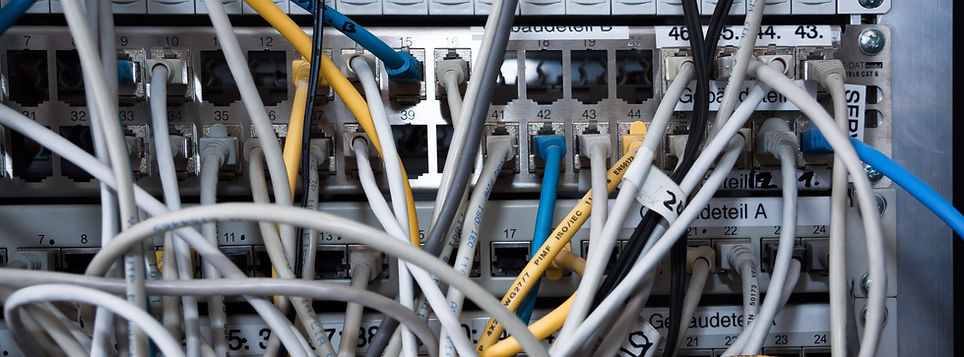
Most temporary fixes are implemented with good intentions.
When production is down, engineering teams need to restore operations quickly. Workarounds, bypasses and short-term repairs are often necessary to get systems running again.
The problem is that many temporary fixes never get revisited.
What starts as a short-term solution can remain in place for months or even years, creating additional complexity, increasing maintenance challenges and making future improvements more difficult.
At Stratos Control Systems, we help engineering teams eliminate recurring reliability issues and create more maintainable automation systems that support long-term operational performance.
Why Temporary Fixes Become Permanent
In many facilities, engineering teams already know what needs to be fixed.
However, competing priorities often mean permanent solutions are delayed.
Common reasons include:
-
Production pressure
-
Limited engineering resources
-
Budget constraints
-
Lack of shutdown opportunities
-
Ongoing operational demands
As new issues emerge, previous fixes are forgotten and become part of the system.
Common Examples of Temporary Automation Fixes
Manual Workarounds
Operators may be required to:
-
Manually enter data
-
Bypass automated sequences
-
Perform additional checks
While effective in the short term, these processes often introduce inefficiencies and increase operational risk.
Temporary PLC Logic Changes
Engineering teams sometimes modify PLC logic to:
-
Bypass faults
-
Maintain production
-
Avoid immediate downtime
Over time these changes can make systems harder to understand, troubleshoot and maintain.
Hardware Bypasses
Temporary bypasses may be used when:
-
Sensors fail
-
Components become unreliable
-
Replacement parts are unavailable
These workarounds often remain in place far longer than originally intended.
Deferred Upgrades
Rather than addressing underlying issues, organisations sometimes delay:
-
Network improvements
-
Control panel modifications
The resulting risks continue to grow over time.
The Operational Impact of Permanent Temporary Fixes
Increased System Complexity
Every workaround adds another layer of complexity.
Over time systems become:
-
Harder to understand
-
Harder to maintain
-
More difficult to troubleshoot
Reduced Reliability
Temporary fixes often address symptoms rather than causes.
As underlying issues remain unresolved:
-
Downtime risk increases
-
Performance deteriorates
Longer Downtime Events
When systems become overly complex:
-
Fault diagnosis takes longer
-
Recovery becomes more difficult
Increased Dependency on Key Individuals
Over time, only certain contracted engineers understand:
-
Why changes were made
-
How workarounds operate
-
What risks exist
This creates knowledge dependency and operational risk.
Signs Temporary Fixes Are Becoming a Problem
Common indicators include:
-
The same issues keep returning
-
Workarounds have existed for years
-
Documentation does not match reality
-
Operators rely on manual intervention
-
Engineers are reluctant to modify systems
-
Nobody remembers why certain changes were made
These are often signs that short-term fixes have become embedded in the operation.
The Hidden Cost of “Making It Work”
Temporary fixes often appear cost-effective because they avoid immediate downtime or project costs.
However, over time they can lead to:
-
Higher maintenance costs
-
Increased downtime
-
Reduced system reliability
-
Greater engineering workload
-
More difficult future upgrades
The longer these issues remain unresolved, the more expensive they become to address.
Why Temporary Fixes Prevent Long-Term Improvement
Engineering teams trapped in reactive environments often spend their time:
-
Responding to faults
-
Managing workarounds
-
Supporting production
This leaves little opportunity to:
-
Improve reliability
-
Modernise systems
-
Eliminate root causes
What Sustainable Automation Improvement Looks Like
High-performing organisations focus on:
-
Root cause elimination
-
Planned upgrades
-
Documentation accuracy
-
Standardisation
-
Long-term maintainability
Rather than continually adding workarounds, they reduce complexity over time.
How to Move Beyond Temporary Fixes
Identify Recurring Workarounds
Review systems to identify:
-
Repeated manual interventions
-
PLC bypasses
-
Unsupported modifications
-
Legacy fixes
These often highlight areas requiring permanent solutions.
Improve Documentation
Accurate documentation helps teams understand:
-
Existing risks
-
Historical modifications
-
Improvement priorities
Prioritise Root Cause Improvements
Focus on the issues creating:
-
The most downtime
-
The highest maintenance effort
-
The greatest operational risk
Modernise High-Risk Infrastructure
Many recurring workarounds are symptoms of ageing systems.
Automation system modernisation can remove the need for many temporary fixes entirely.
How Stratos Helps Eliminate Temporary Fixes
We help engineering teams:
-
Identify recurring workarounds
-
Reduce system complexity
-
Improve reliability
-
Modernise ageing infrastructure
-
Improve long-term maintainability
Our goal is to help organisations move beyond short-term fixes and create more resilient automation environments.
Replace Temporary Fixes Before They Become Permanent Risks
If your facility relies on workarounds, bypasses and recurring fixes, now is the time to address the underlying issues before complexity and downtime continue to increase.
Stratos Control Systems helps organisations improve reliability, reduce operational risk and create automation systems that support long-term success.
